August 7, 2026
In the fast-paced world of business, maintaining a clean and pristine environment is crucial for ongoing success. Not only does cleanliness directly impact the professional image your business presents to visiting clients, but it also heavily affects the health, daily wellness, and productivity of your employees. Having a reliable commercial cleaner allows your team to maintain absolute focus on core operations while leaving essential sanitation tasks to highly trained experts. According to Grandview Research, almost 50% of the cleaning industry market share belongs to the commercial cleaning segment, proving that modern companies recognize the immense value of professional janitorial care. As business standards evolve, upgrading your routine facility maintenance can transform your workplace atmosphere, safeguard valuable physical assets, and create a healthier space. Many businesses realize that their image and functionality are intertwined with cleanliness. Prioritizing hygiene not only enhances client impressions but also contributes to maintaining a consistent brand reputation.
Beyond simple appearance, a clean workspace functions as the silent backbone of day-to-day productivity. When a facility is systematically sanitized, the risk of cross-contamination decreases significantly, keeping key personnel active and engaged rather than out on sick leave. Furthermore, modern commercial cleaning goes far beyond surface-level dusting; it involves comprehensive disinfection strategies using hospital-grade chemicals and specialized tools designed to eliminate deep-seated micro-contaminants. By investing in top-tier janitorial care, businesses demonstrate a clear duty of care to their workforce while projecting an aura of unmatched professionalism to every vendor, partner, and guest who steps through the front doors.
Evaluate Current Business Cleaning Needs
Before deciding to hire a commercial cleaner, it is important to carefully analyze existing cleaning practices. Standard internal cleaning efforts often fall short of meeting strict commercial hygiene standards due to limited resources and lack of commercial-grade equipment. Evaluating these routines helps pinpoint performance gaps and discover inefficiencies. When staff split their time between job duties and facility upkeep, critical areas are easily overlooked. This assessment forms a foundation for understanding the need for a dedicated service to facilitate growth. Identifying cleaning discrepancies highlights areas for improvement to enhance facility management. Using the assessment outcomes effectively directs resources to bolster cleaning strategies and improve workplace conditions.
Conducting a thorough facility audit allows decision-makers to categorize their needs by risk zone and foot-traffic density. For example, high-touch areas like door handles, light switches, communal kitchen counters, and elevator buttons require far higher intervention frequencies than standard archival storage rooms. When internal staff are tasked with these responsibilities, burnout and resentment can build quickly, as employees naturally prefer focusing on the primary duties they were hired to perform. Transitioning to professional oversight solves this operational friction entirely. A professional assessment uncovers hidden risk zones such as neglected air vents, upholstery, and hard-to-reach corners where allergens routinely accumulate. It also optimizes resource allocation so that budget is spent on high-impact services rather than superficial tasks, effectively removing burdens from internal staff and elevating overall job satisfaction.
Improve Workplace Health and Efficiency
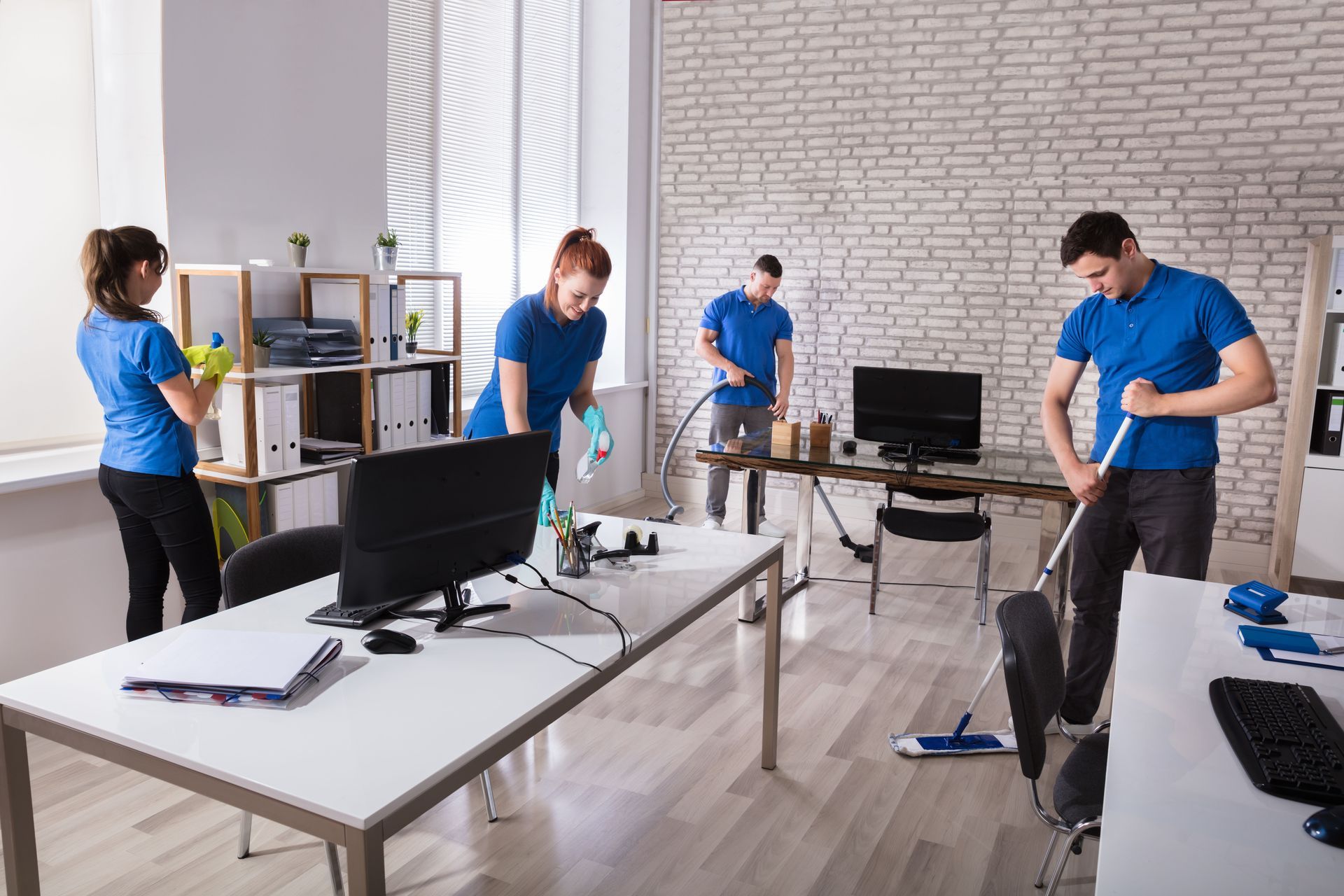
A spotless environment correlates with higher employee morale, better focus, and decreased absenteeism. With an experienced commercial cleaner, dangerous pathogens, allergens, and dust are eliminated from high-traffic areas. Healthy employees take fewer sick days, stabilizing work output and enhancing productivity. A well-organized workspace creates a calm, professional atmosphere where team members feel valued. Specialized sanitization builds an optimal environment for the team to thrive. As morale rises, teamwork tends to improve, fostering a cohesive workplace. Structure and cleanliness often lead to innovative approaches to workplace challenges.
Indoor air quality is another crucial element that directly drives daily employee performance. Dust buildup in carpet fibers, neglected HVAC returns, and dirty upholstery can trigger subtle allergic reactions, resulting in fatigue, headaches, and lower cognitive focus. Commercial cleaners utilize advanced High-Efficiency Particulate Air (HEPA) filtration vacuums and eco-friendly microfiber technology to capture particulate matter rather than simply pushing it into the air. Improving indoor air quality and workspace sanitation can measurably reduce respiratory illnesses and workplace allergy symptoms, leading to direct gains in daily output and long-term staff retention.
When team members enter a facility that looks pristine and smells fresh, it creates an immediate psychological boost. It signals that executive leadership values their daily well-being, which directly fuels workplace pride, enhances focus, and creates an environment where creative problem-solving can flourish.
Protect Long-Term Facility Investments
Managing operational costs involves looking at the long-term return on investment professional sanitation provides. Hiring a commercial cleaner requires a budget but can generate savings by preventing premature wear on assets. Specialized floor care and surface upkeep preserve floors, carpets, upholstery, and fixtures. Service providers offer flexible schedules and tailored plans fitting operational budgets. Planning turns sanitation into a cost-effective measure, protecting assets and preventing costly repairs or replacements. Considering the lifespan of investments reinforces the importance of continual expert maintenance as an operational pillar. Each maintenance session underlines proactive facility care.
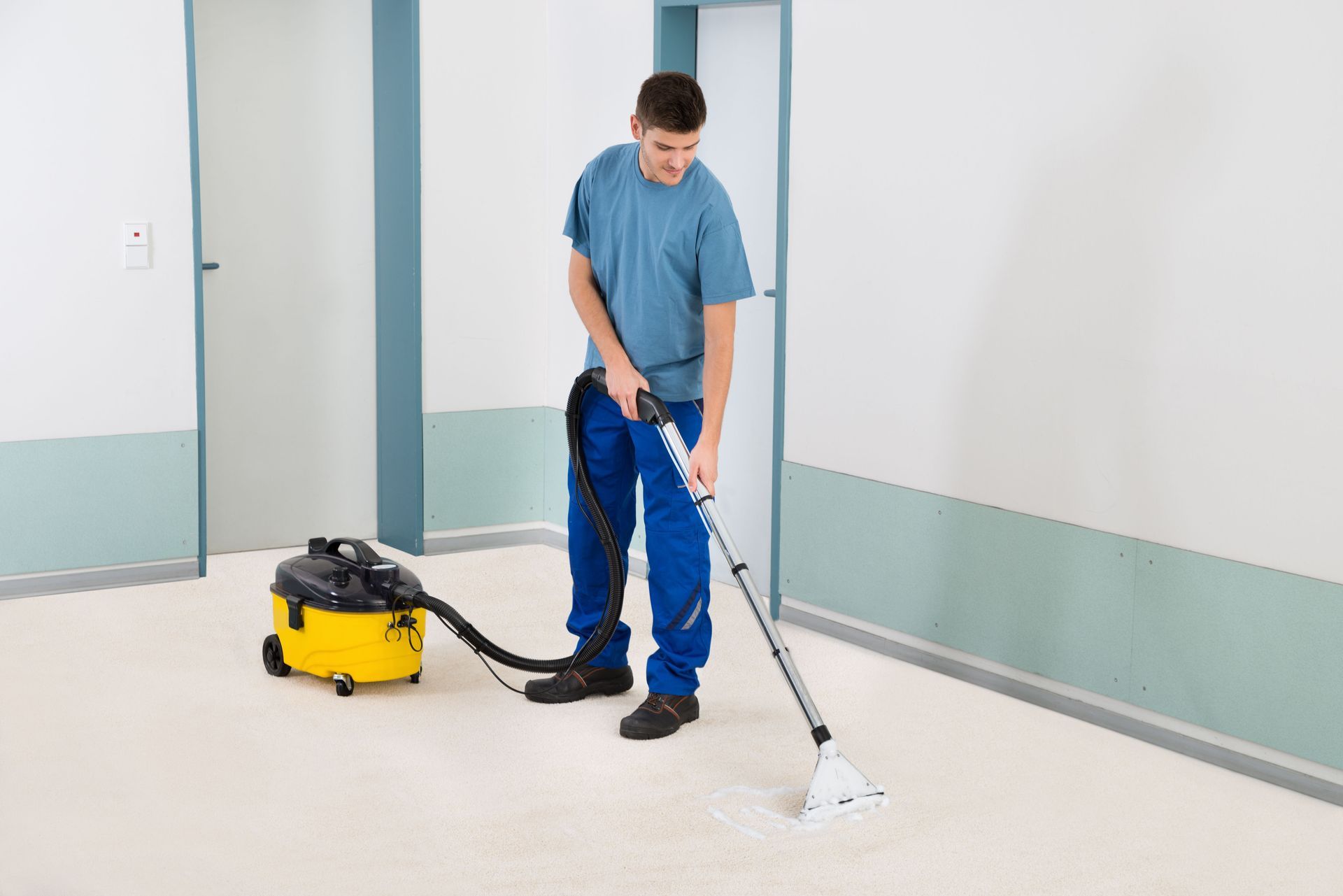
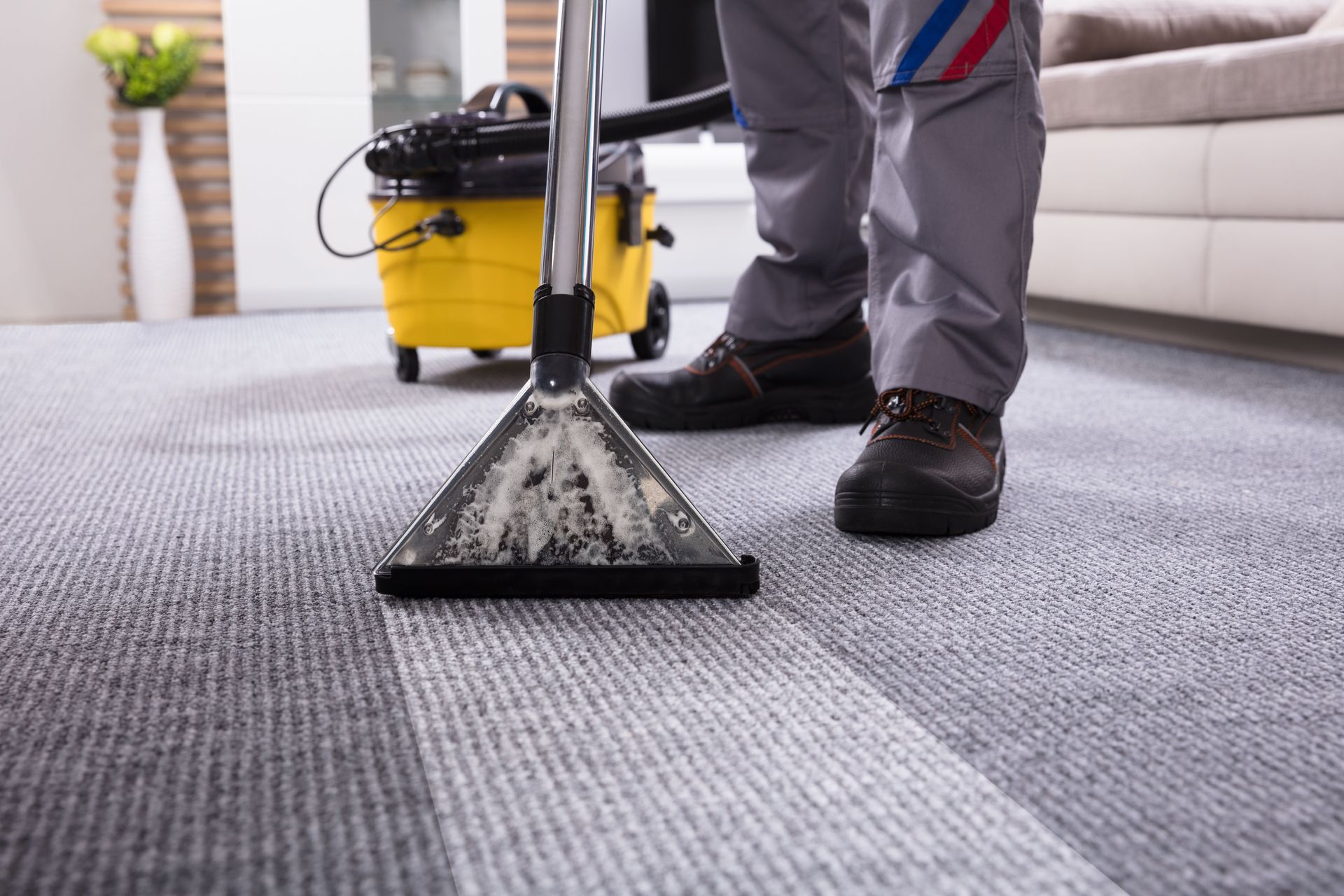
Consider the replacement costs associated with commercial building infrastructure: high-end hardwood flooring, polished concrete, expensive carpeting, and modern ergonomic furniture represent substantial capital expenditures. Without routine care using industry-appropriate pH-balanced cleaners and protective sealants, grit and soil act like sandpaper under foot traffic, permanently degrading finishes and destroying fibers. For instance, basic in-house care on commercial carpeting often allows ground-in dirt to cut through carpet fibers, leading to fraying and persistent odors, whereas professional deep extraction removes this abrasive grit to double the life of the flooring. Similarly, hard surfaces like tile and hardwood are often stripped of their protective finishes by harsh off-the-shelf chemicals, whereas specialized strip-and-wax protocols preserve gloss and structural integrity. Upholstered furniture, which easily accumulates allergens and permanent stains, benefits immensely from scheduled hot-water extraction that restores both fabric health and appearance.
By establishing a scheduled preventive care plan with dedicated commercial professionals, facility directors can extend the life of expensive building materials by years, shifting maintenance costs from expensive emergency replacements to predictable, manageable operational expenses.
Select Specialized Service Protocols
Commercial facilities have unique demands requiring specialized cleaning techniques and industry-specific knowledge. Office settings demand different protocols than medical buildings or retail stores. Partnering with a commercial cleaner provides access to advanced techniques and industry-compliant procedures tailored to your space. Whether deep surface sanitization or specialized floor care is required, professional providers offer versatility to handle complex requirements. Ensuring the provider meets these demands keeps operations seamless, safe, and compliant with health guidelines. The adaptability of professional cleaners enhances their efficiency in serving diverse industry-specific requirements. Attention to each facility's needs ensures comprehensive care and satisfaction for stakeholders.
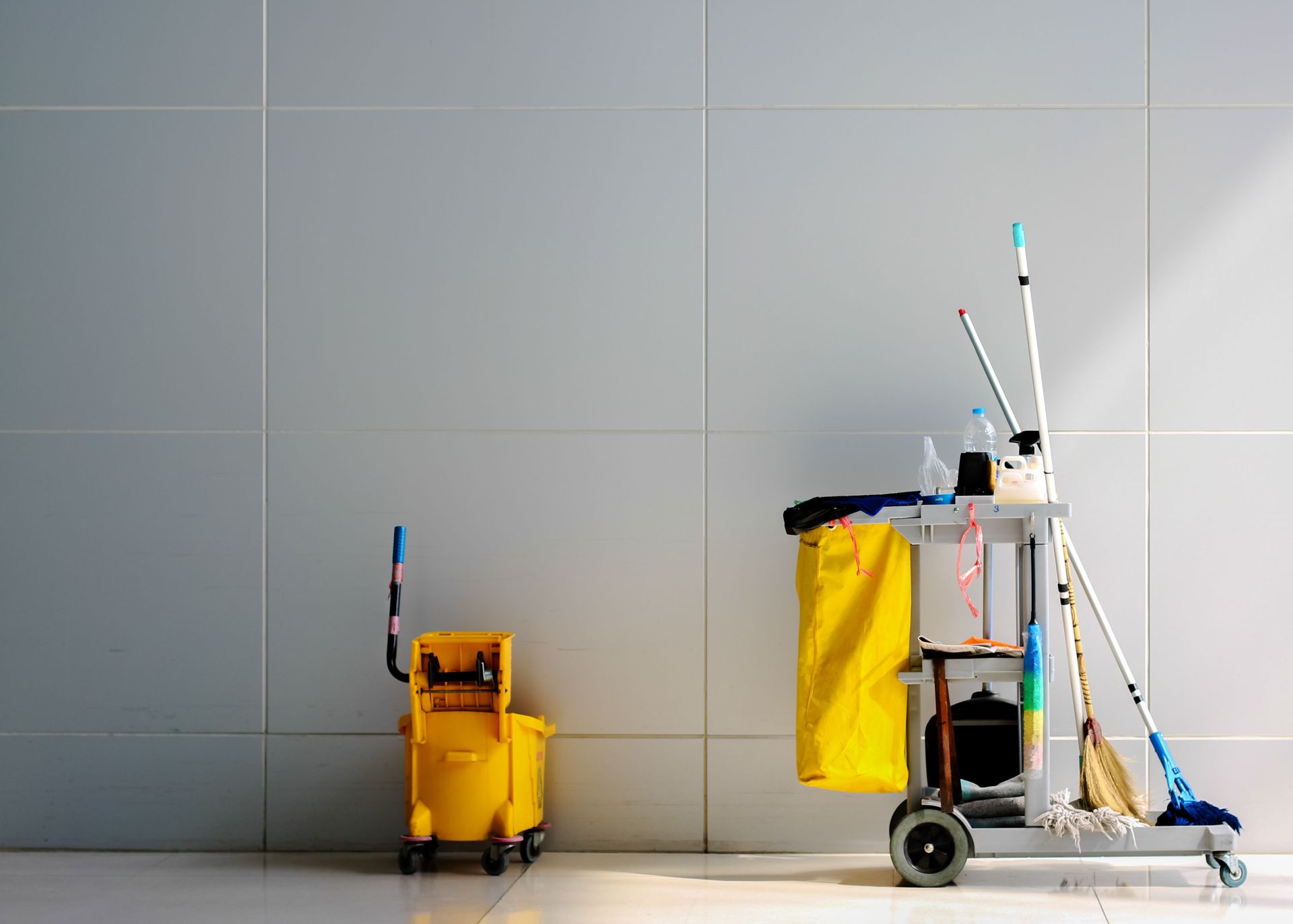
Modern commercial cleaners do not rely on a standard mop bucket. They deploy specialized equipment, including electrostatic sprayers for rapid comprehensive surface disinfection, auto-scrubbers for high-square-footage tile care, and color-coded microfiber systems designed explicitly to eliminate cross-contamination between restrooms and office areas. Different business sectors require distinctly tailored care protocols. Medical and dental facilities mandate strict adherence to pathogen control, medical waste disposal standards, and terminal cleaning procedures. Corporate tech and financial hubs place heavy emphasis on non-static cleaning for sensitive electronics, high-traffic carpet maintenance, and touchpoint sanitation. Meanwhile, industrial and logistics centers rely on heavy-duty degreasing, concrete polishing, and specialized dust suppression techniques to uphold regulatory safety standards.
Ultimately, outsourcing your commercial sanitation is far more than a simple outsourcing decision—it is a strategic investment in your organization's core foundation. By securing specialized expertise, you protect physical building investments, lower employee sick leave, and project an image of undeniable excellence to every person who walks through your doors. Empower your facility to reach its full potential today by partnering with dedicated cleaning professionals who treat your environment with the exact same level of care and precision that you bring to your business.